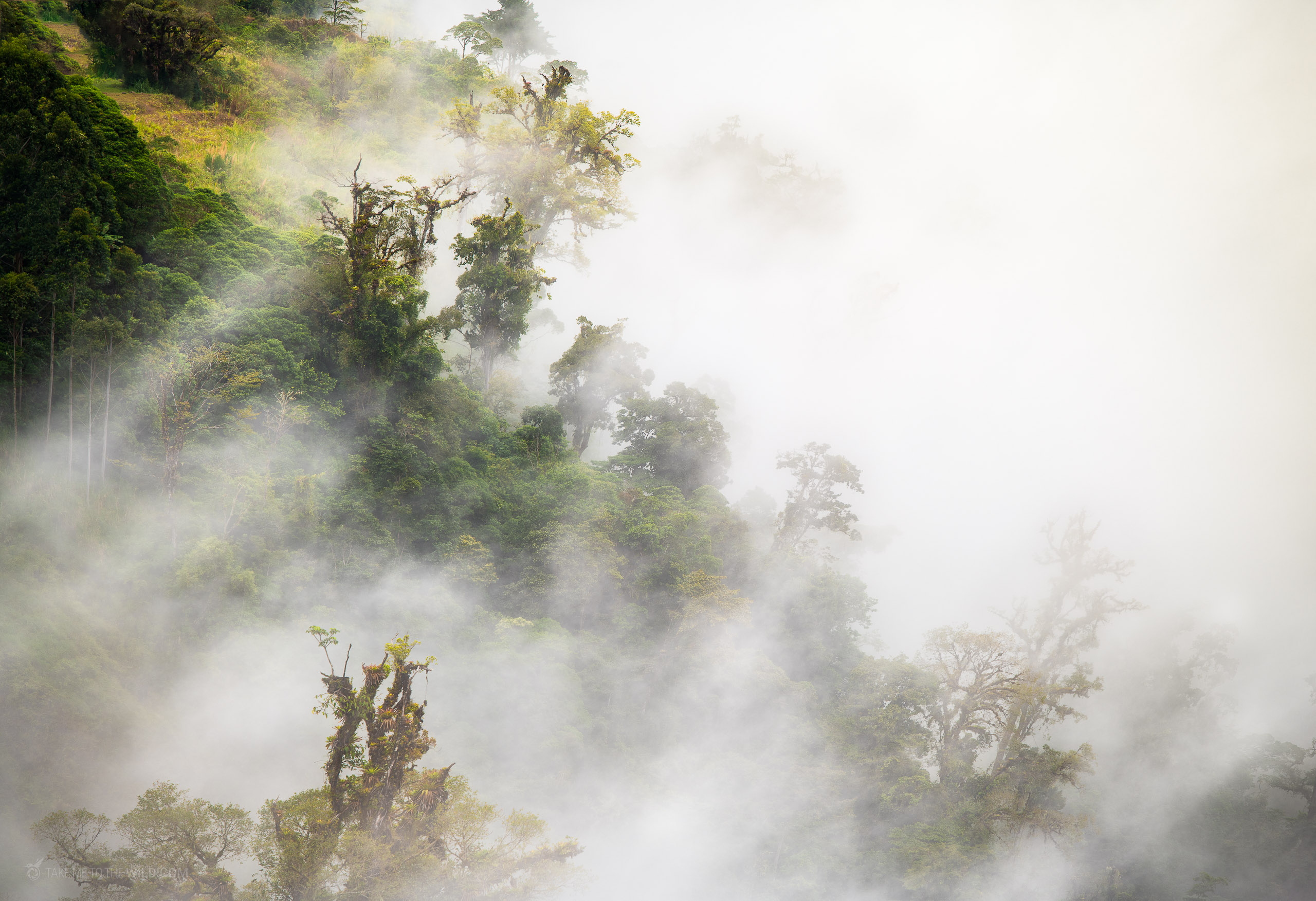
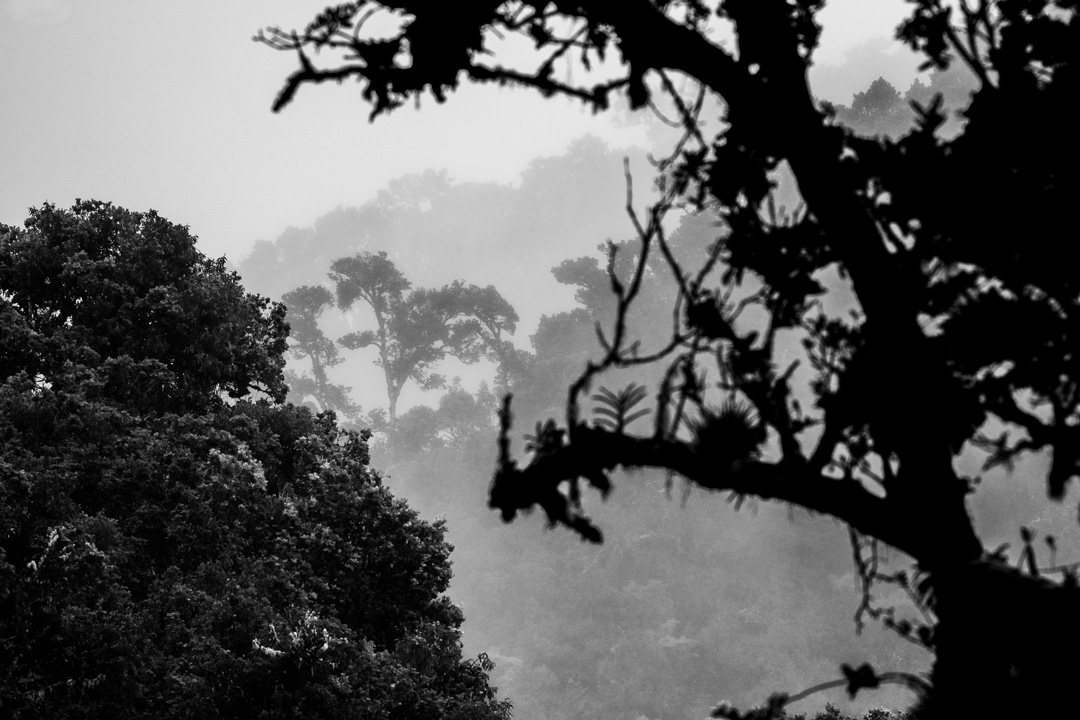
The forest is awake before I am. By the time I step out of the house, the cloud has already arrived, moving uphill through the trees the way a tide moves through a reef. It does not rain. The water is in the air. Mosses, orchids, bromeliads in the highest branches: everything drinks. Somewhere above me, a quetzal calls twice and stops.
I built my house in the cloud forest of Costa Rica because nowhere else made sense. I came back to it for years before I stayed, and I still go back out, to its sister forests in Colombia, in Ecuador, in the highland forests of southern Mexico. I keep returning because the cloud forest does something nothing else does. It pulls water out of weather and gives it to a continent. It is a small ecosystem, less than one percent of the planet’s tropical forest. It holds a much larger share of life. And it is in trouble.
This is what I have learned, watching it.
What a Cloud Forest Is
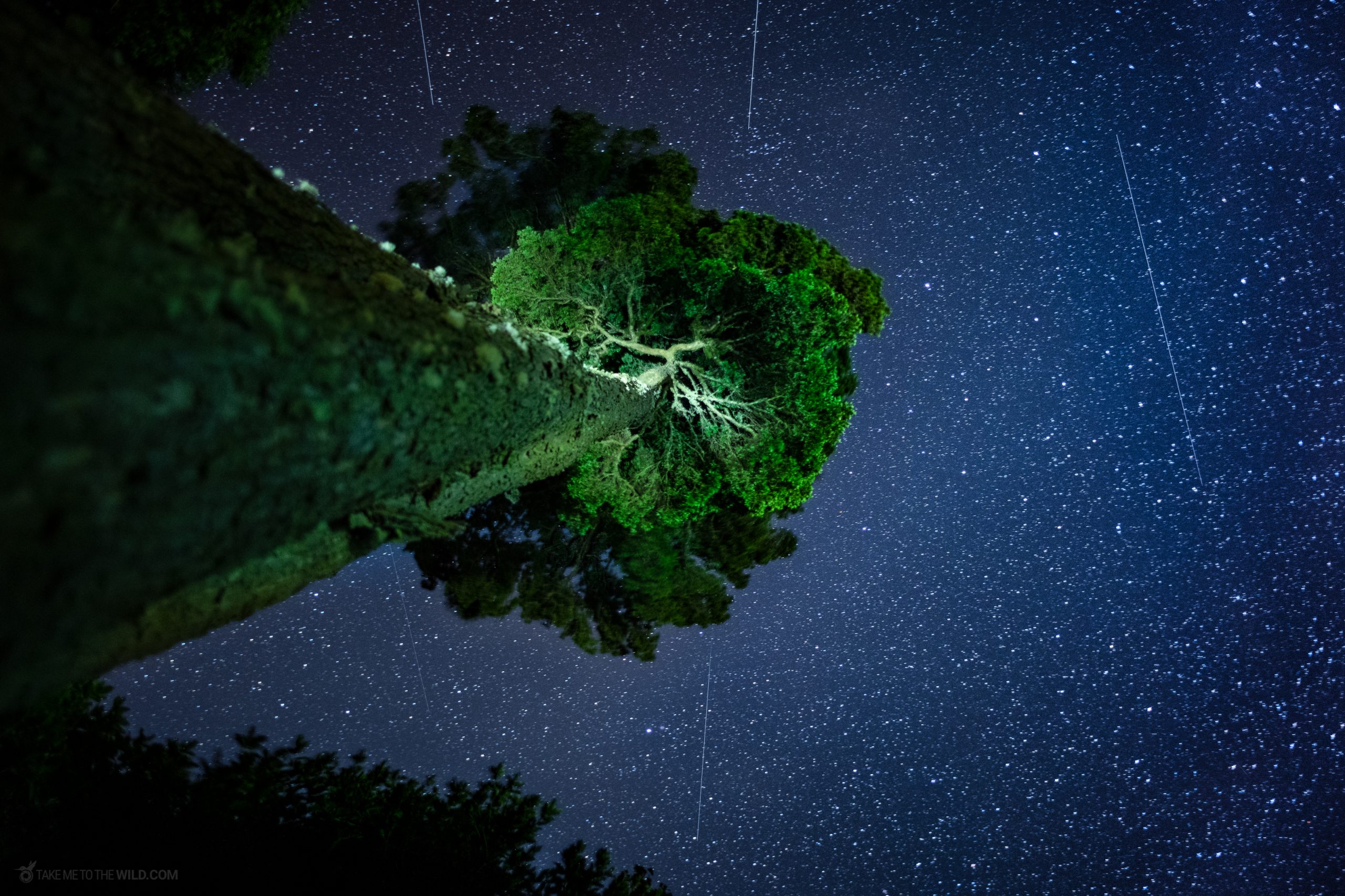
A cloud forest is a mountain that drinks. The forest does not wait for rain. It combs water out of the air, condensing it on its leaves and its mosses and the long beards of lichen that hang from its older trees. The water reaches the ground without ever falling as rain. On a still afternoon in the Talamanca highlands, you can put your palm against a moss-covered trunk and it will come away wet.
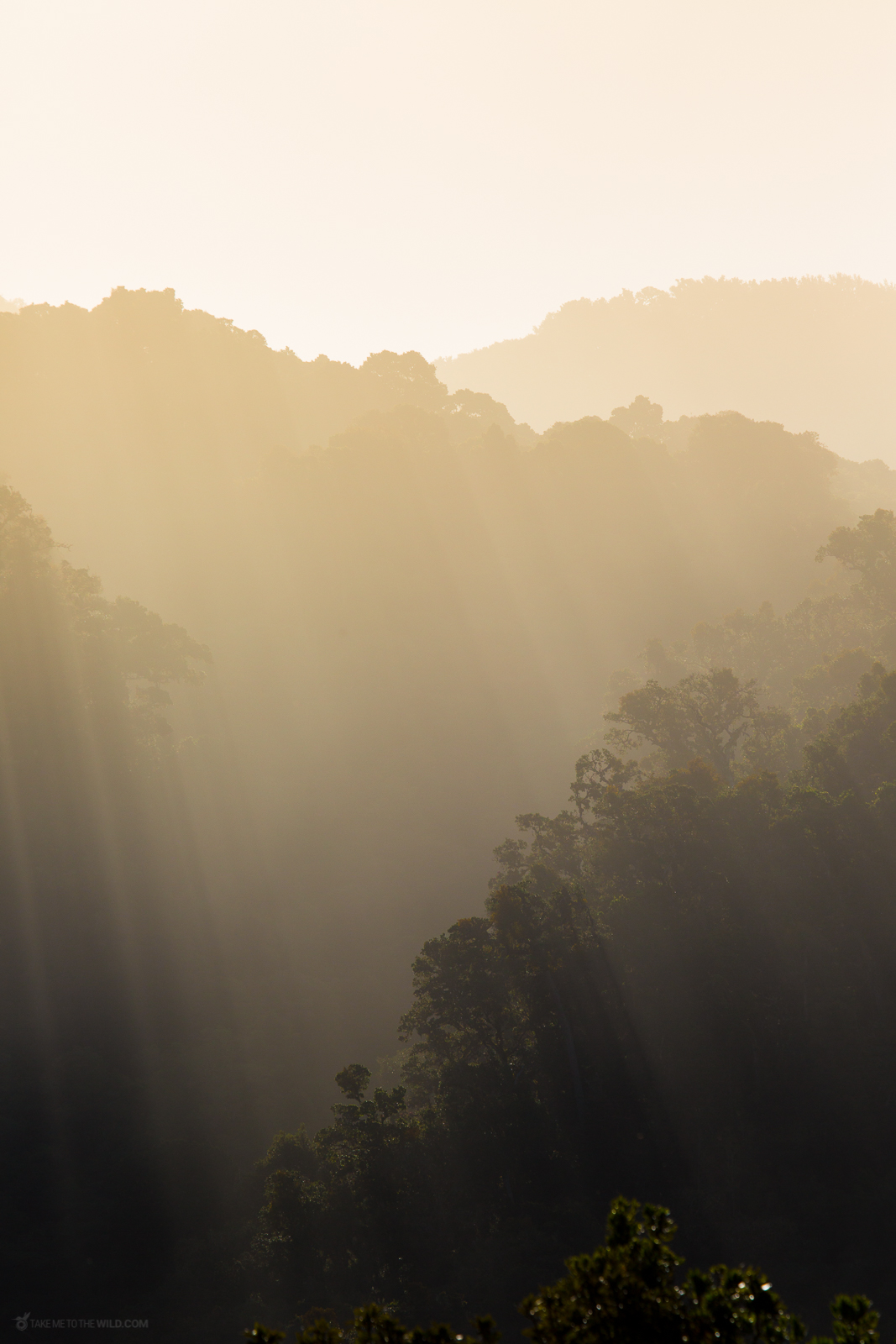
The recipe is narrow. You need a tropical mountain. You need a steady supply of moist air coming off a coast or a basin. You need an elevation, usually between 1,200 and 2,500 meters, where that air cools enough to condense into a permanent band of cloud. Stand below it and you stand in rain. Stand above it and you stand in dry sun. Stand inside it and you stand in the cloud itself, which is the entire point.
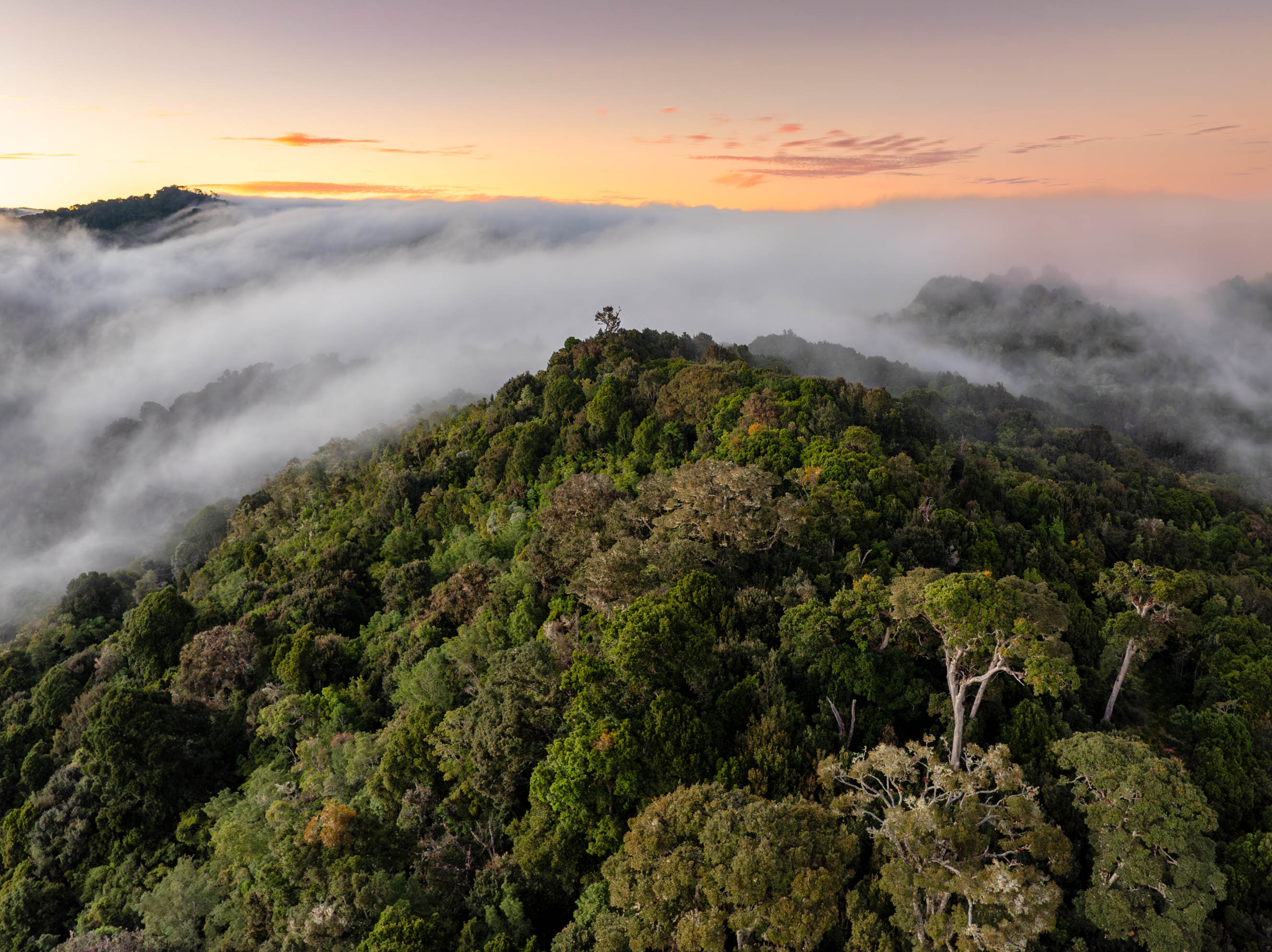
Less than one percent of the planet’s tropical forest sits inside that band. That one percent feeds the watersheds of entire countries. In Costa Rica, the Talamanca cloud forests are the source of drinking water for most of the Central Valley, including the capital. The cloud is not decoration. The cloud is the water.
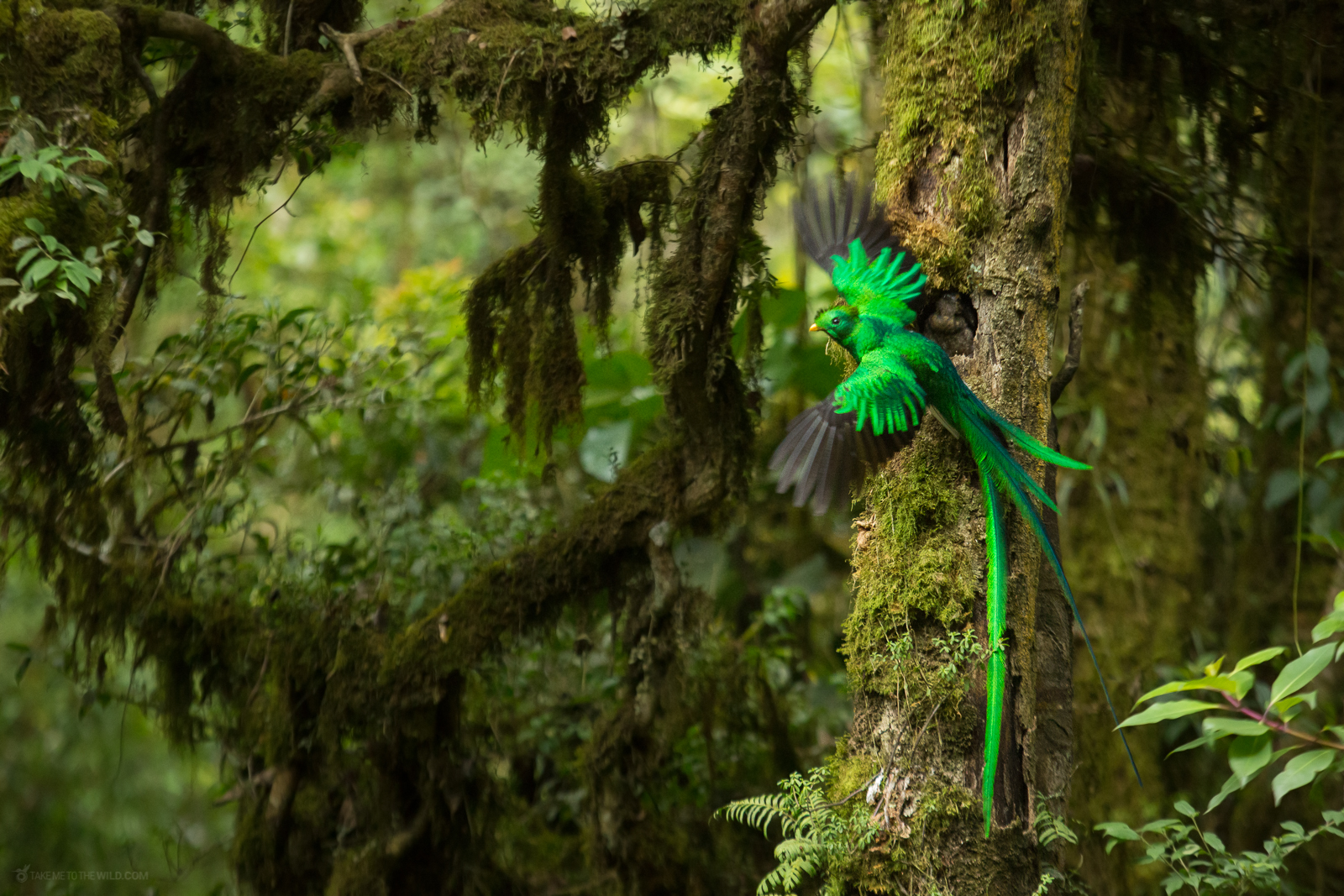
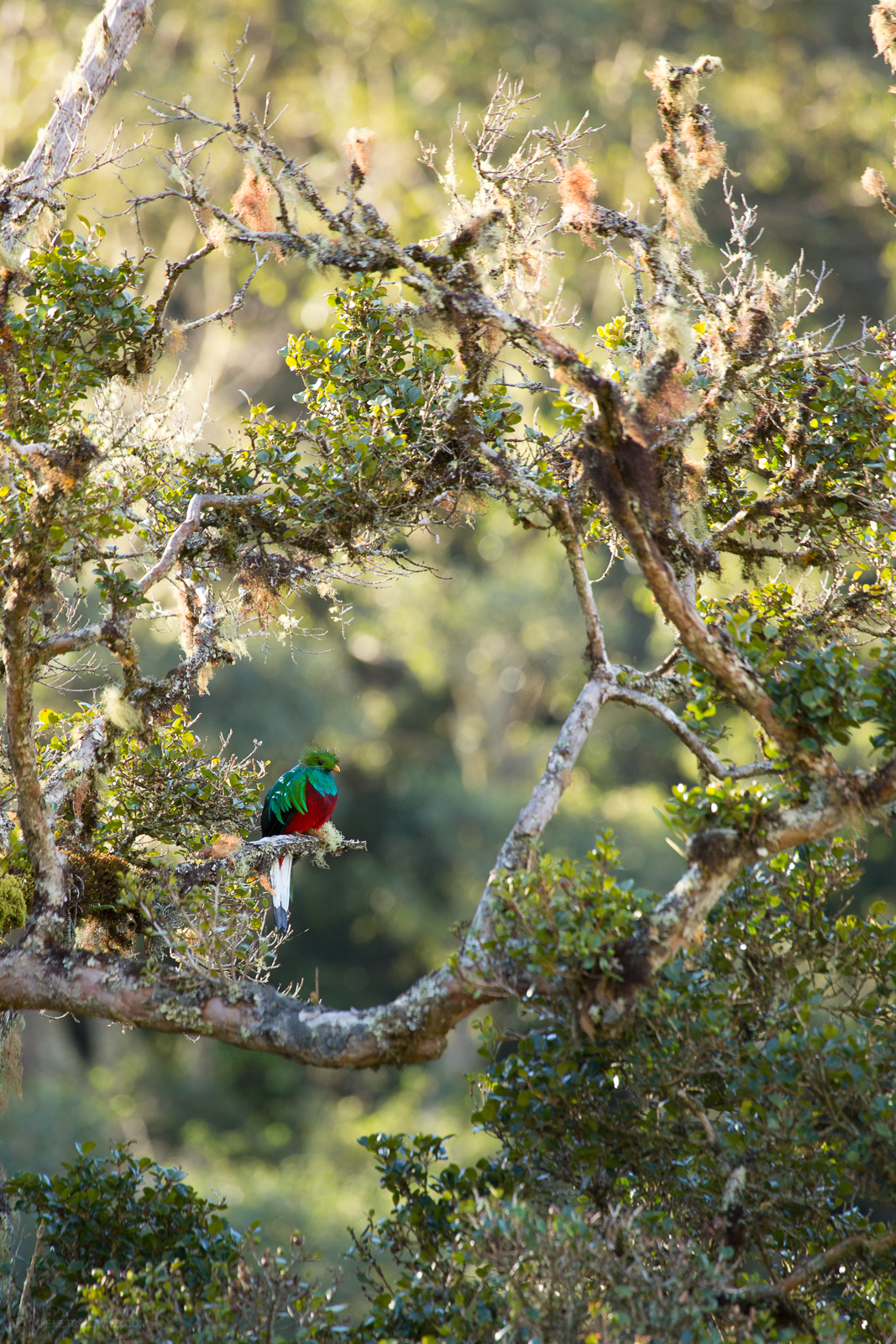
The Resplendent Quetzal lives only in this band. So does the wild avocado tree it depends on. So does the Baird’s tapir. So does the Three-wattled Bellbird, whose call sounds like wood struck against metal. Every species in a cloud forest has been shaped by the cloud, by its elevation, by its narrowness. A small shift in altitude is a different country.
The Elevation Gradient
If you want to see how a cloud forest works, watch the hummingbirds.
Costa Rica has more than fifty species. They sort themselves up the mountain like words in a poem. In the lowland rainforest, the long-billed hermits move slowly between heliconia flowers, following the same trapline of blooms every day. Lower down on the Caribbean slope, the Snowcap, deep purple with a bright white head and weighing about two and a half grams, feeds in the dim understory. At two thousand meters the Coppery-headed Emerald, endemic to this country, defends a single flowering bush against rivals twice its size. At three thousand meters the Fiery-throated Hummingbird, whose throat catches the light and explodes in every color at once, holds its territory in the cold mist of the highest forests.
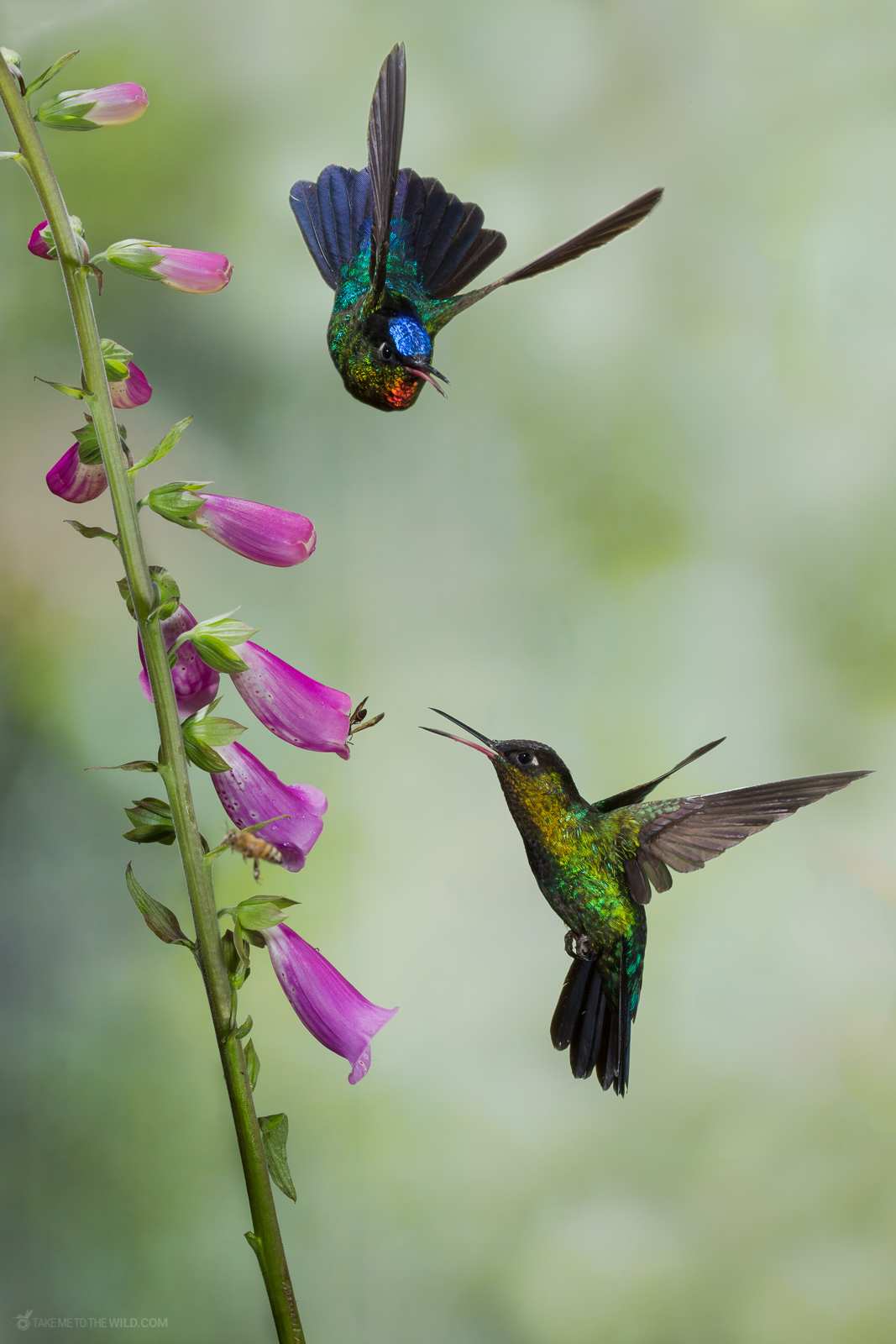
At thirty-four hundred meters, near the summits of the highest volcanoes, the Volcano Hummingbird hovers in air thin enough to make a person dizzy. It is one of the smallest birds in the world. It lives in a band of mountain that exists in only a few square kilometers, on a handful of peaks. Nothing else in its family lives where it lives. The cloud forest gradient is not a metaphor. It is real and narrow and full of birds.
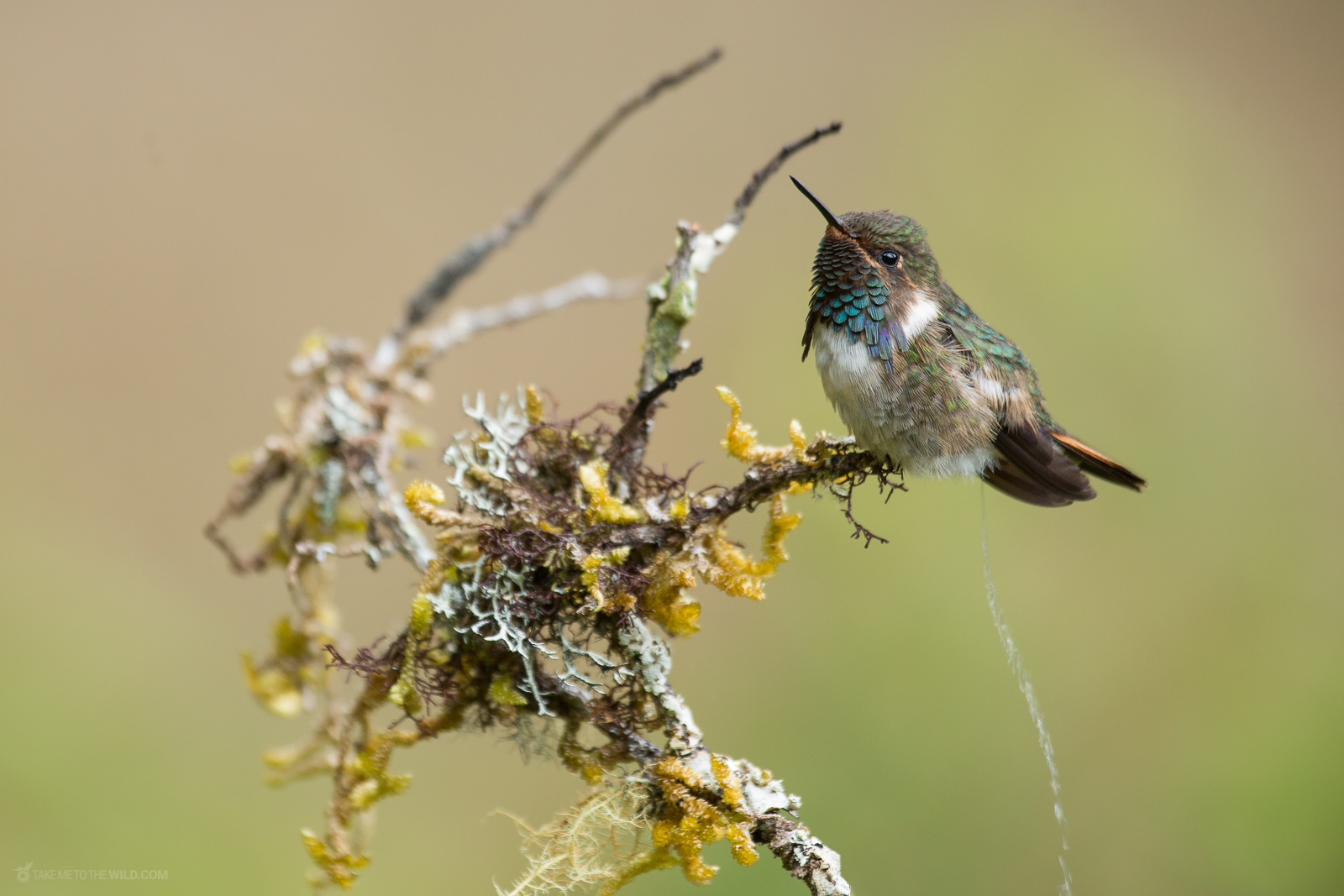
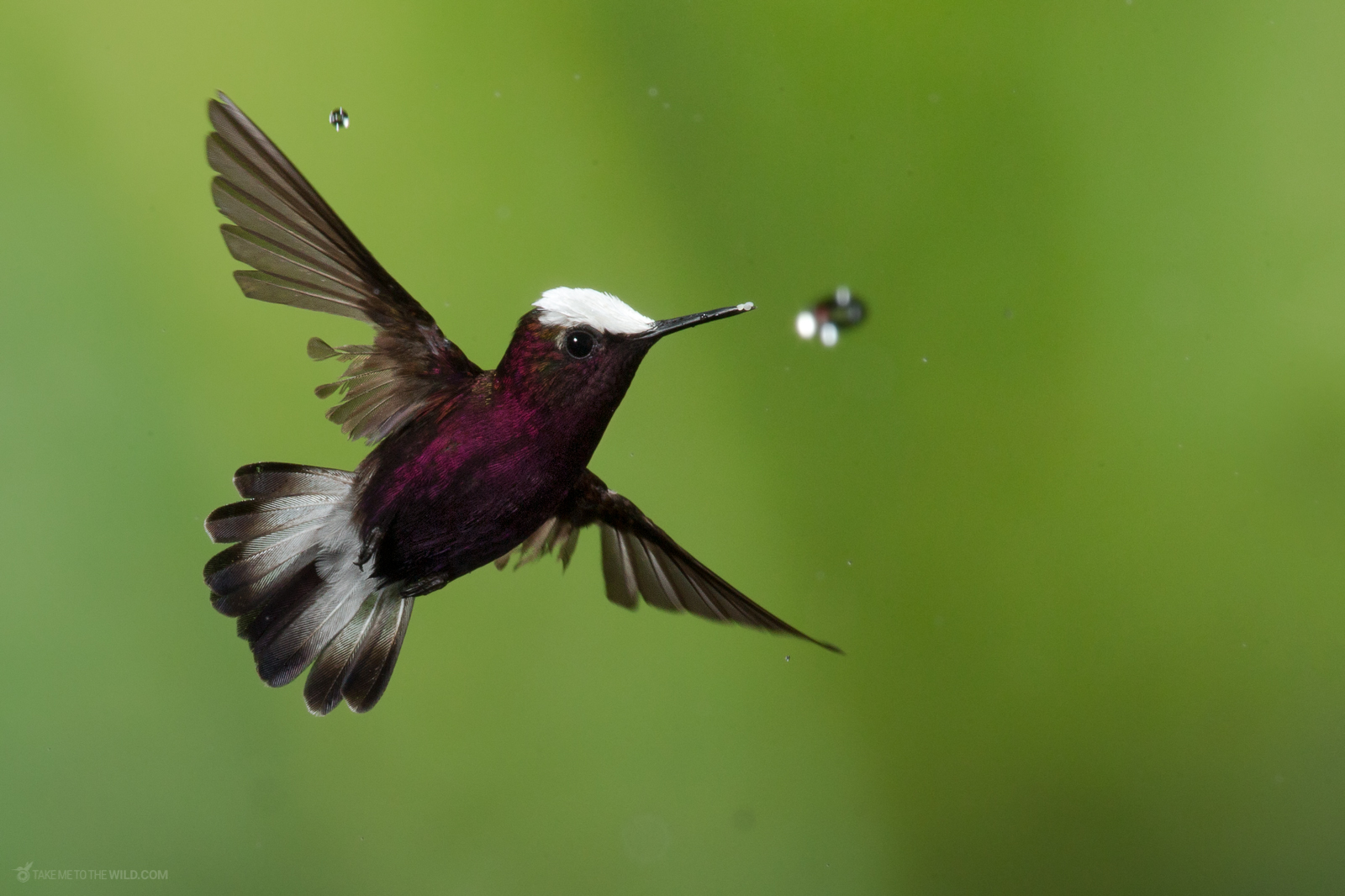
Move a species up the mountain by five hundred meters and you have removed it from its own community. The hummingbirds are the easiest way to see this, because they are visible and there are many of them. But everything in the cloud forest works this way. The trees, the frogs, the orchids, the mosses. Each in its band.
The Understory
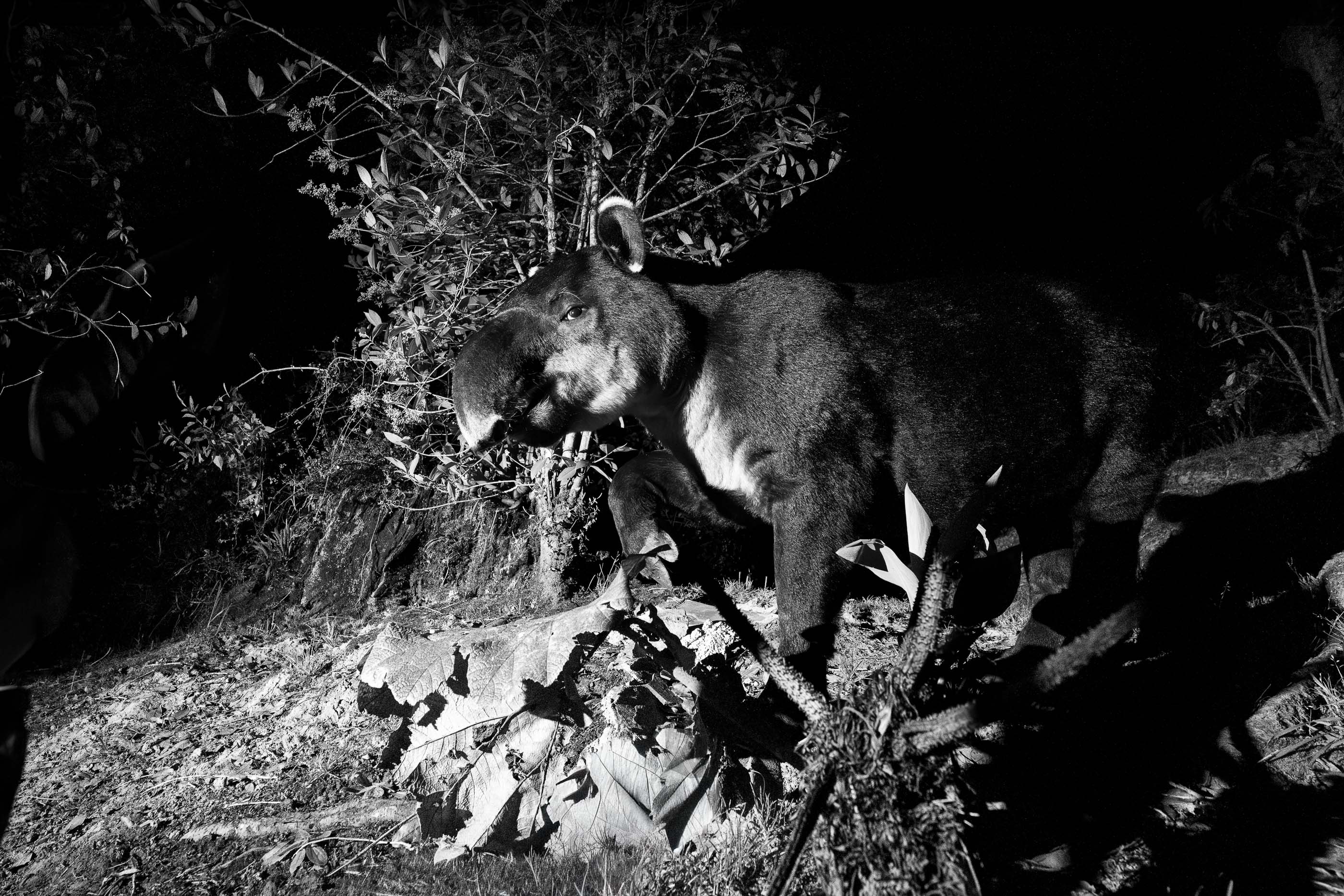
The first time I saw a Baird’s tapir, I had been walking past it for several minutes.
It was after midnight in the oak forest above Cerro de la Muerte. A friend had told me where to wait. I had set up at the edge of a clearing and been still for an hour, listening to the cold sounds of a forest in the dry season. The tapir was there the whole time, fifteen meters away, browsing on sombrilla de pobre leaves. I only registered it when it moved.
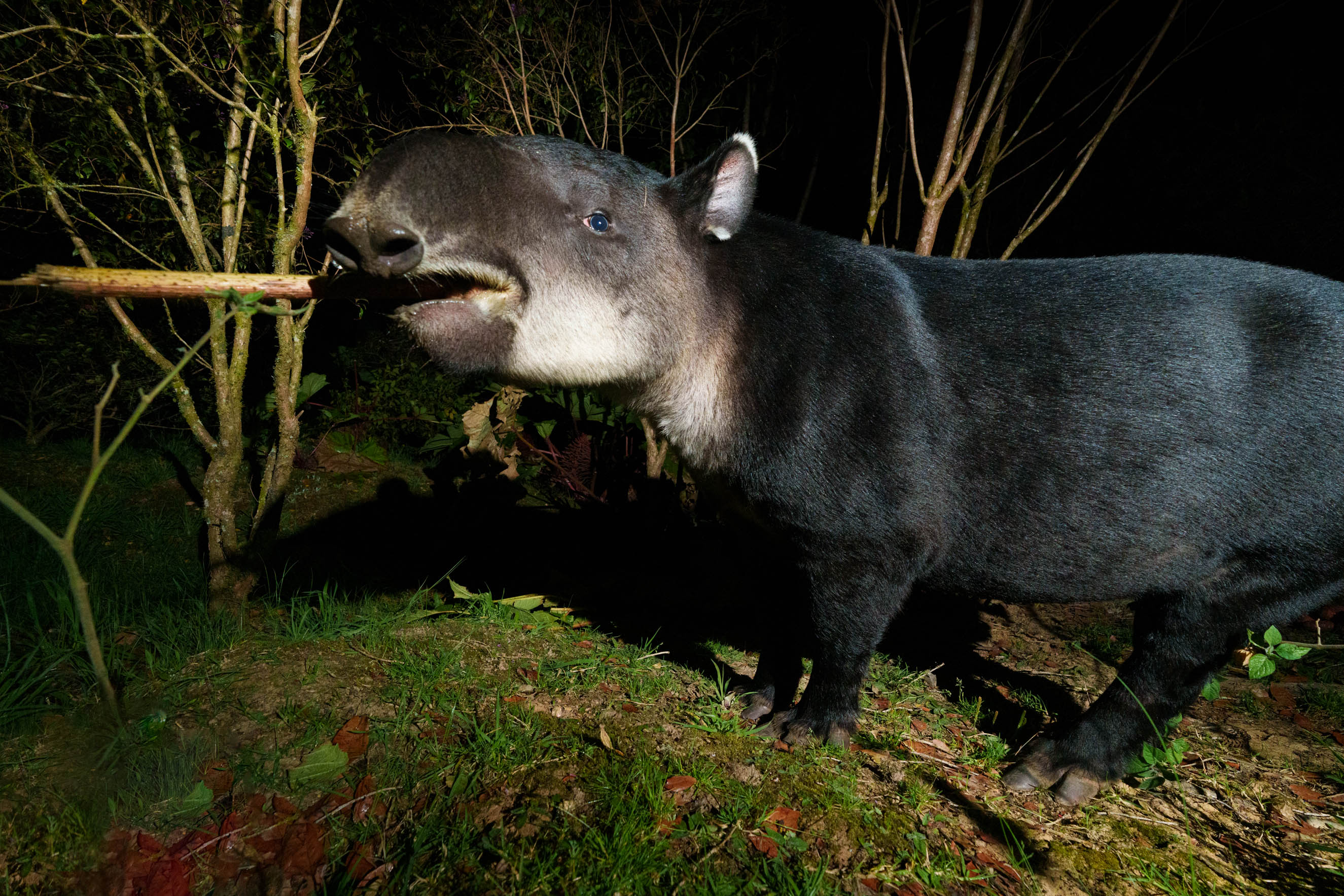
It is the largest land mammal between Mexico and the Amazon. It can weigh two hundred and fifty kilograms. It moves like nothing that size should move, soft-footed, deliberate, patient. It is almost entirely silent.
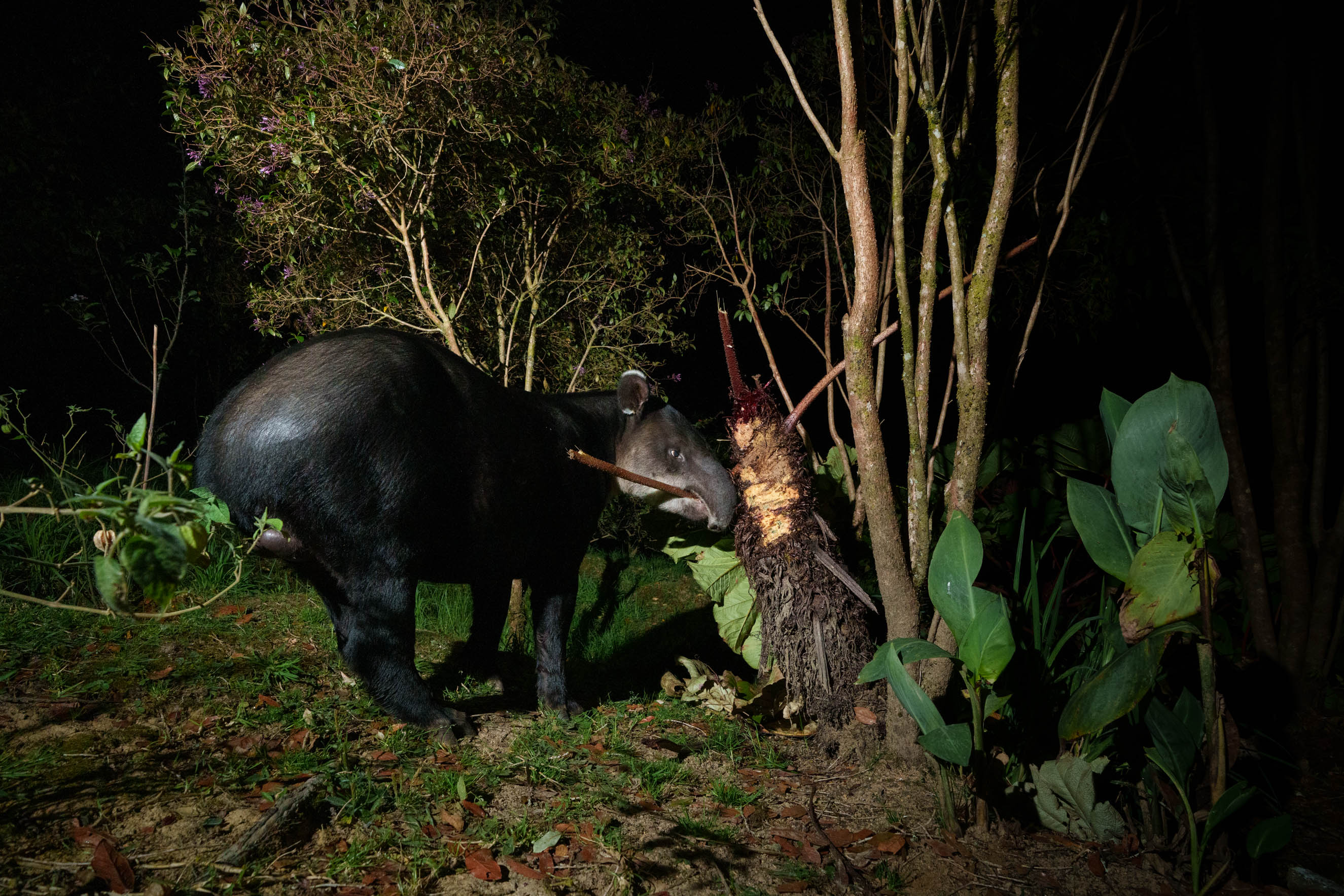
The tapir is the forest’s gardener. Seeds from more than a hundred species of cloud forest plants pass through its digestive tract. The wild avocados the quetzal depends on, the cecropias, the figs, the slow-growing canopy oaks: their next generation rides in the gut of a tapir to a new patch of light somewhere down the slope. The tapir plants the forest the quetzal will live in a hundred years from now.
“Lose the tapir and you do not lose only the tapir. You lose the canopy.”
There are fewer than forty-five hundred Baird’s tapirs left in the wild. They are listed as endangered. Costa Rica is one of their last strongholds. Lose the tapir and you do not lose only the tapir. You lose the canopy.
The Other Forest
South of the Panama border the cloud forest changes name but not character.
The Andean cloud forests run from Venezuela down through Colombia, Ecuador, Peru, and into Bolivia, following the spine of the mountains. They are longer, taller, wetter, and far more diverse than anything in Central America. Colombia alone holds more than eighteen hundred species of birds, more than any other country on Earth. Many of them live only in a single Andean valley, on a single slope, in a single elevation band.
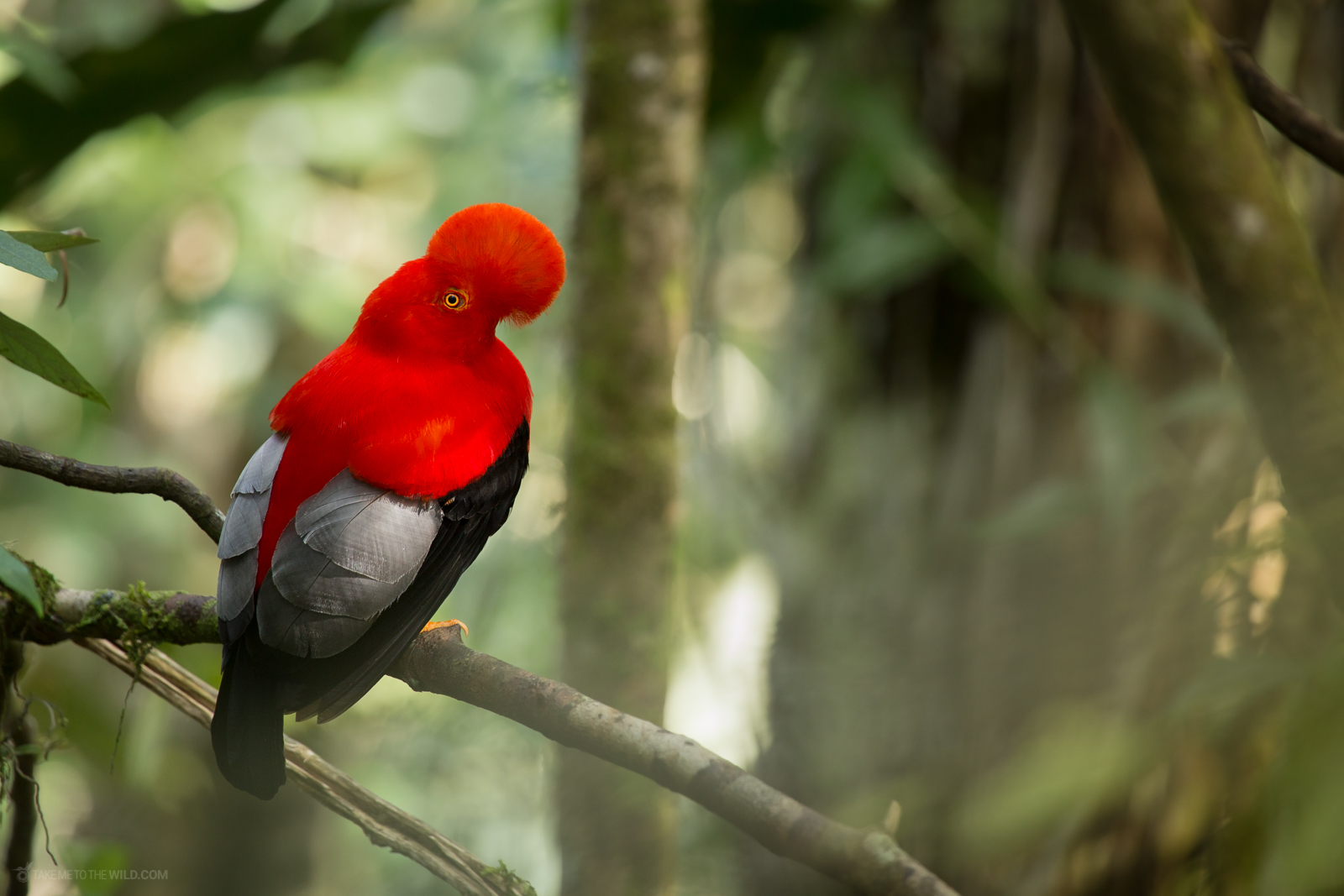
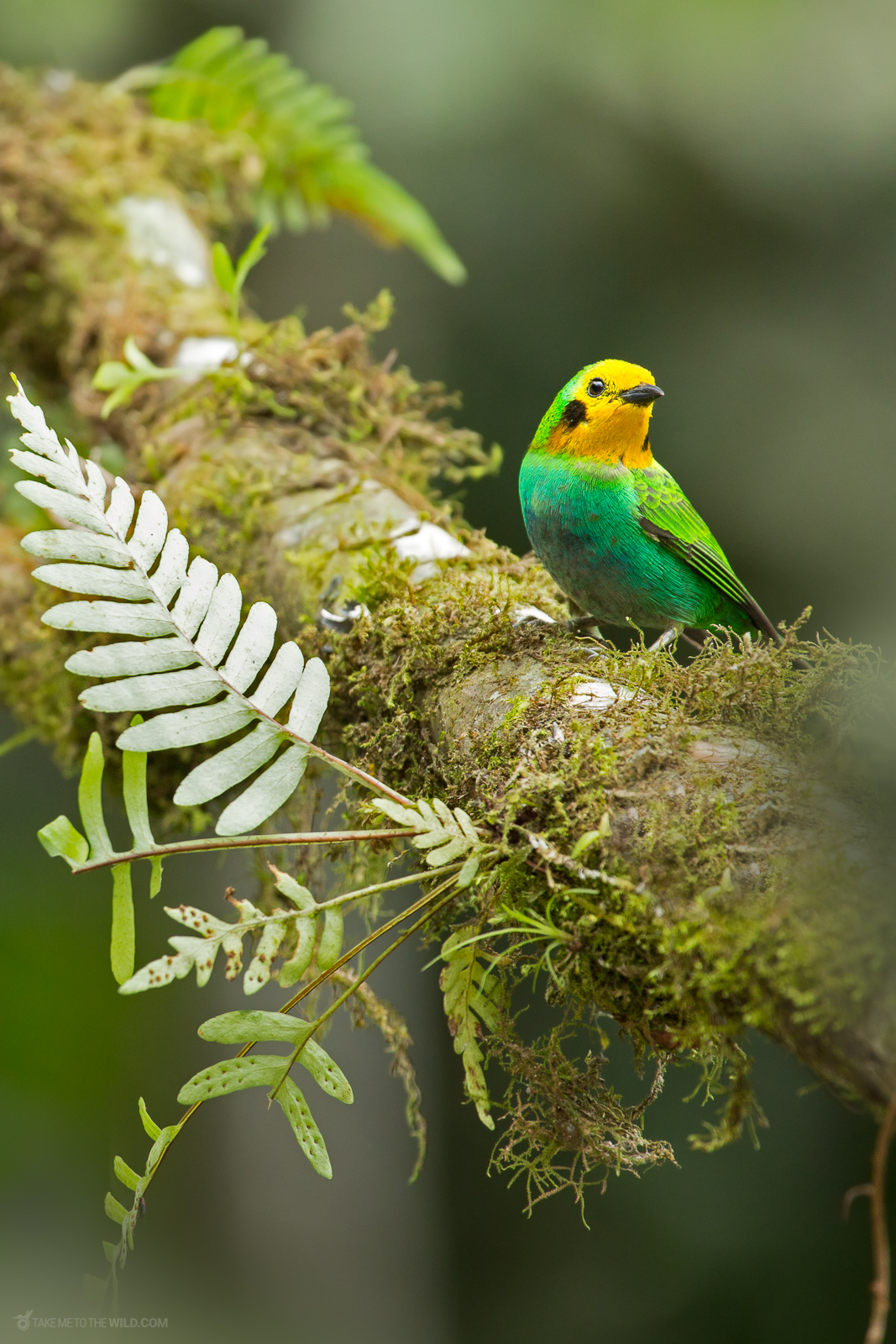
I spent a month moving between cloud forests in the Colombian western Andes, from the lowland Chocó up to the páramo above three thousand meters. Every elevation was a different country. The Multicolored Tanager, a small bird that looks impossible in the field guide and more impossible in the hand. A group of male Andean Cock-of-the-Rock displaying at a lek, bright orange against the green, sounding like crows arguing. A chestnut-crowned antpitta hopping the floor of an ancient oak forest, the same kind of forest I had walked in Costa Rica a thousand kilometers north.
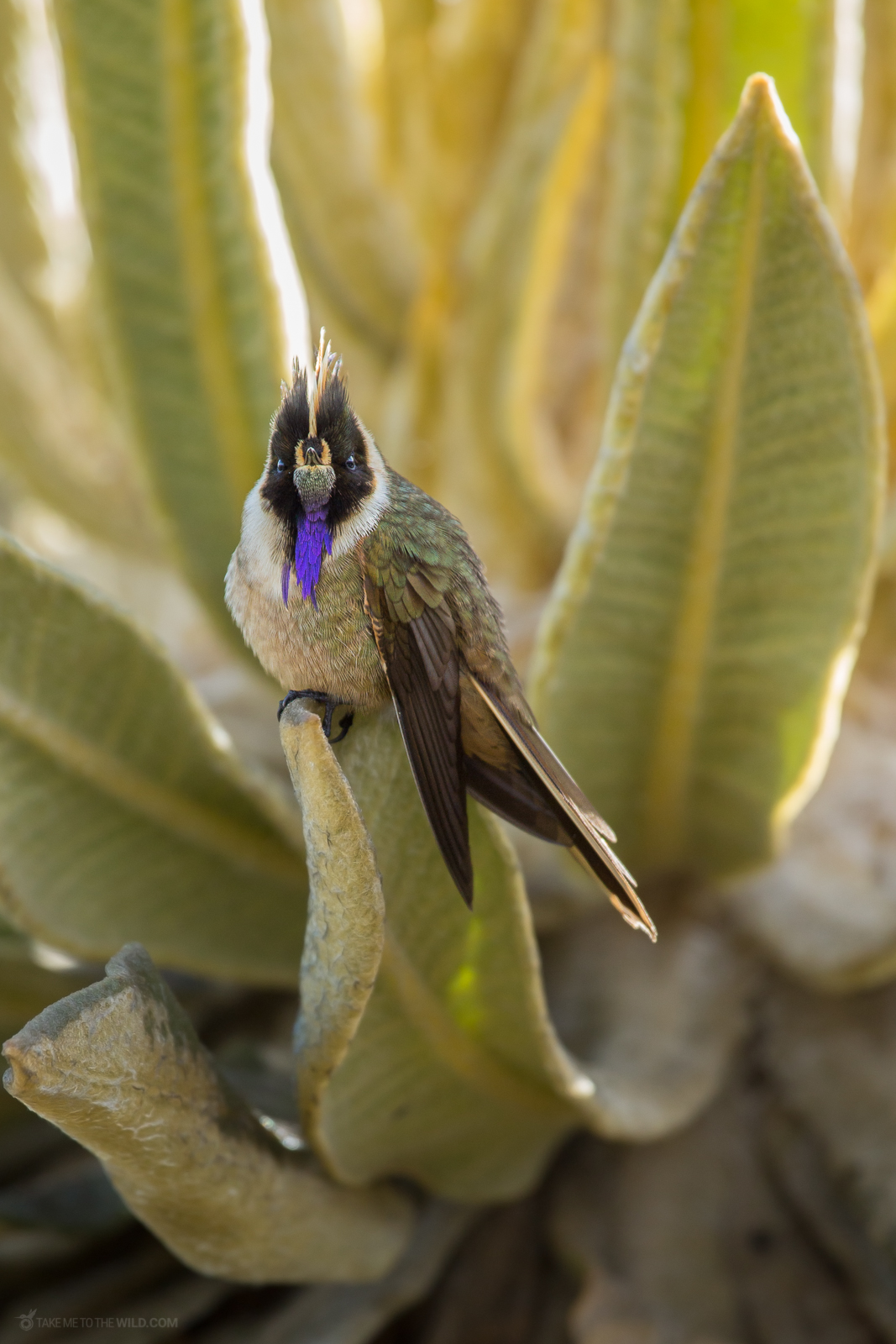
The hummingbird gradient repeats here, on a longer mountain. At three thousand five hundred meters, in the páramo where frailejones stand like silver candles against the wind, the Buffy Helmetcrest roosts inside their woolly crowns. Lower down, in the mossy mid-elevation forests, the Rainbow-bearded Thornbill holds its own narrow band. Same logic as the Talamanca, more species.
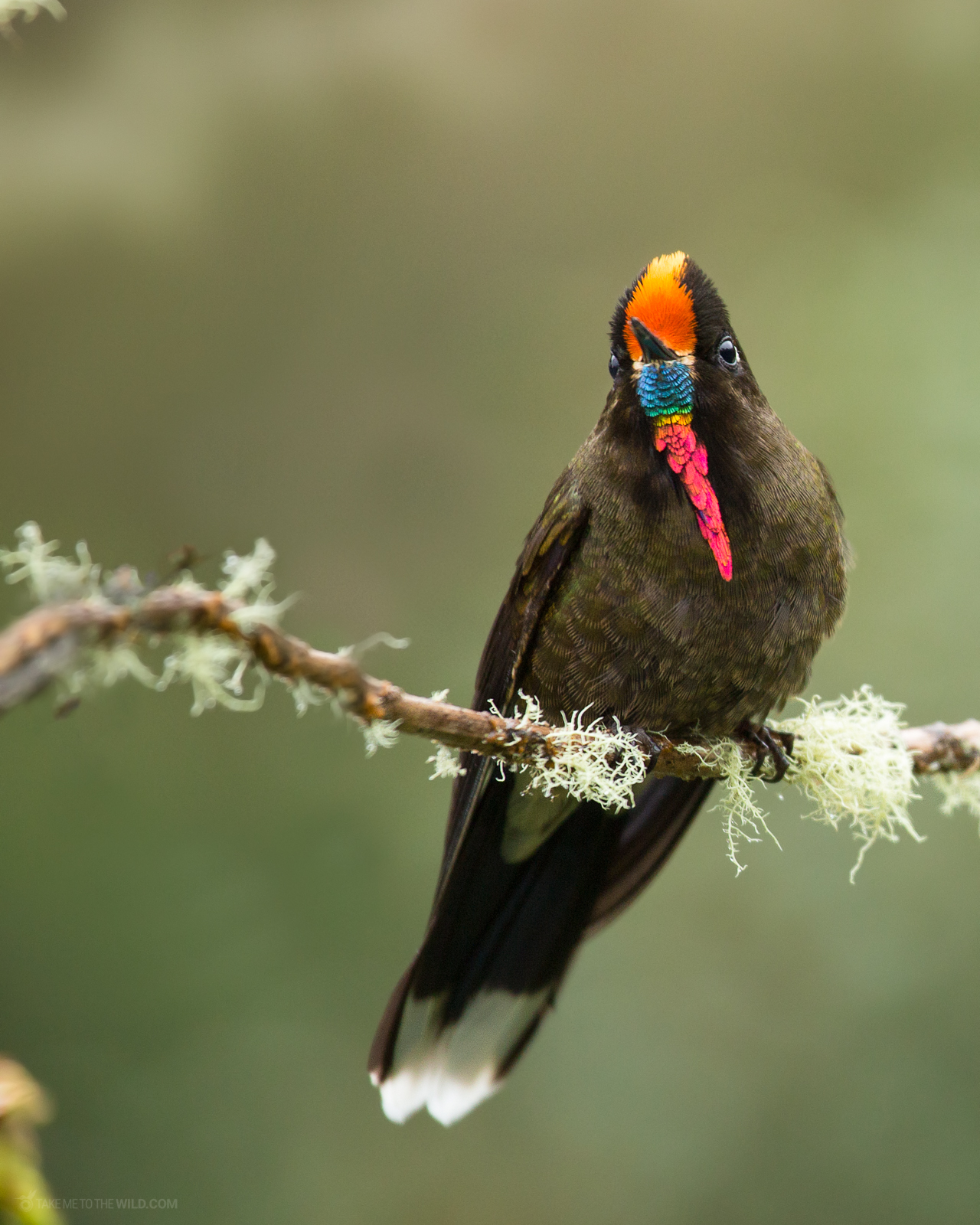
The Chocó cloud forests of western Colombia and northern Ecuador are among the wettest places on Earth. Some sites receive more than ten meters of rain a year. They hold species that exist nowhere else, and they are disappearing. The Ecuadorian Chocó has lost more than ninety percent of its original forest. What remains is fragmented, surrounded, and shrinking.
Same ecological logic as Costa Rica. Different country. Different politics. Same loss.
The Cloud Is Rising
The cloud is rising. This is not a metaphor.
As the world warms, the layer of cloud that defines a cloud forest is forming higher in the atmosphere. The condensation point is moving uphill. The forests that have lived inside that band for tens of thousands of years are now sitting below it for longer parts of the year. Less mist. Less drinkable air. Drier mosses, drier soils, smaller streams.
Monteverde, the most famous cloud forest in Costa Rica, was where the world first noticed. The golden toad, a small bright orange amphibian found nowhere else, was studied at Monteverde for decades. In 1987 it was abundant. In 1988 it was scarce. In 1989 a single male was seen, and never again. It is gone. The clearest explanation, defended now by long datasets, is that the cloud lifted off the forest in dry years and the toad’s breeding pools dried out before the eggs could hatch.
The golden toad was the first. It is not the last.
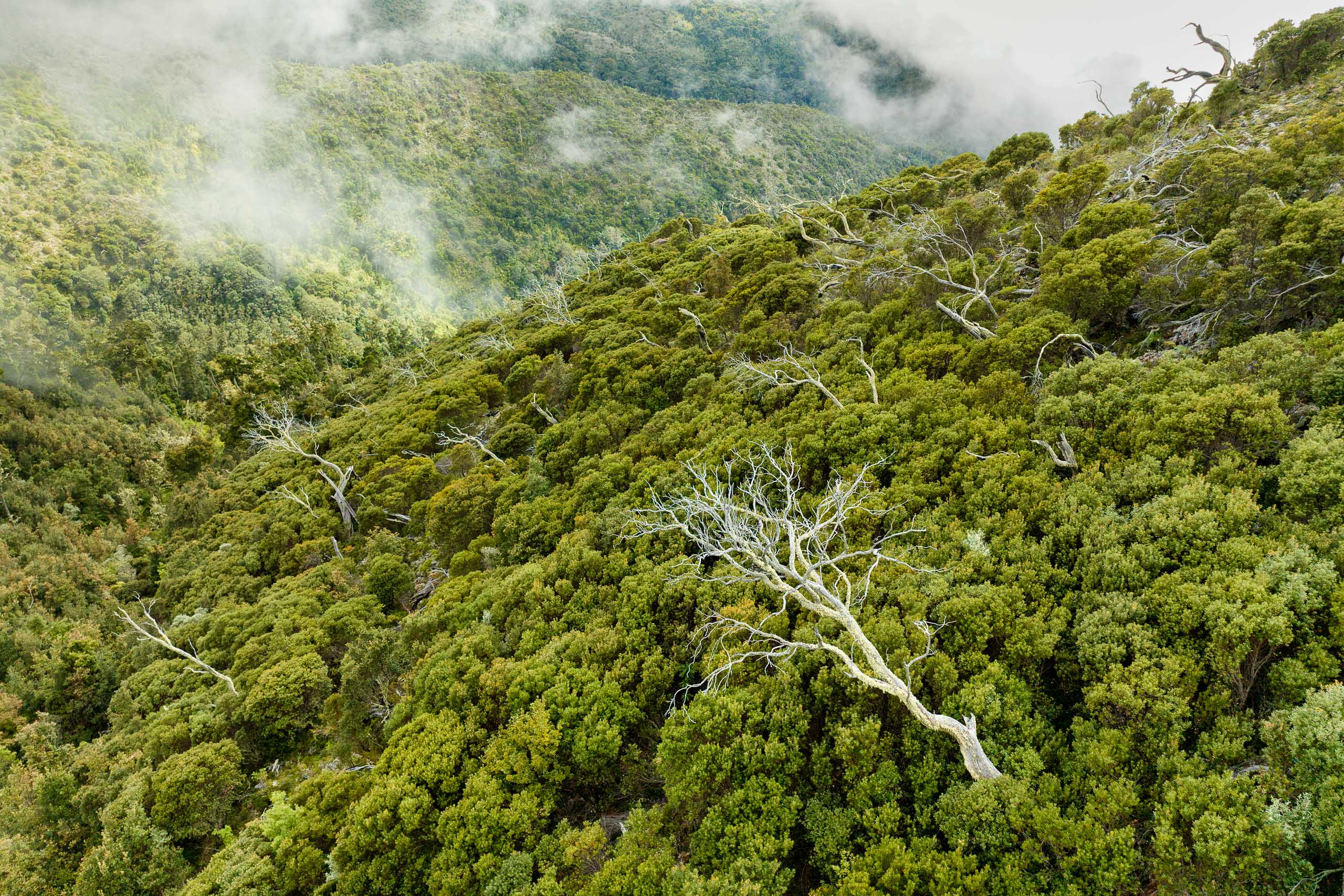
Above the cloud forest sits the páramo, the high cold grassland that runs across the tops of the Andean range. The páramo was historically too wet to burn. In 2012 and again in 2019, large fires moved through the páramo of Chirripó, the highest peak in southern Central America. Sections that may take centuries to recover are now patches of charcoal under alpine grass. From the air, Los Quemados, the burned ones, looks like a map of something we are doing wrong.
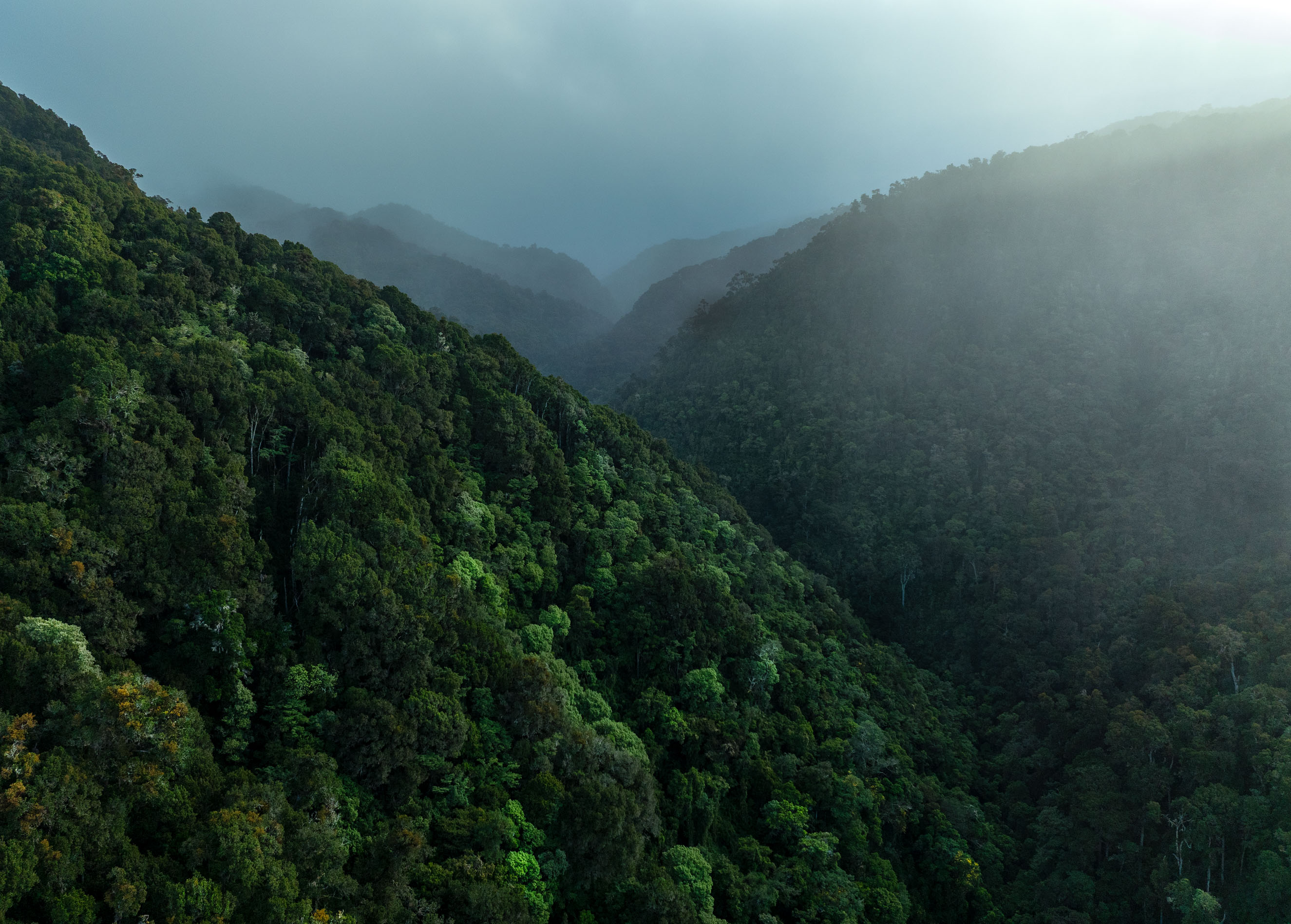
A cloud forest can climb only as high as its substrate. Once the cloud is above the highest ridge, the forest has nowhere to follow it. It thins. It loses species. Eventually it goes.
“The argument for keeping cloud forests alive is not aesthetic. It is hydrological. It is biological. It is, eventually, a question of where any of us, downstream, get our drinking water.”
Inside this slow erasure live the quetzal, the hummingbird, the tapir, and the millions of people who drink the water that cloud forests filter and store.
What Remains
Last March I climbed Cerro Chirripó for the first time. I had spent most of my adult life pointing a camera at this country and I had never stood on its highest ground. The trail crosses every ecosystem the country has, from heliconia rainforest at the trailhead to páramo at the summit, in a single ascending day. The cloud forest is one of those layers. You walk into it around two thousand three hundred meters. You feel the temperature drop. You feel the air thicken. You walk inside the weather.
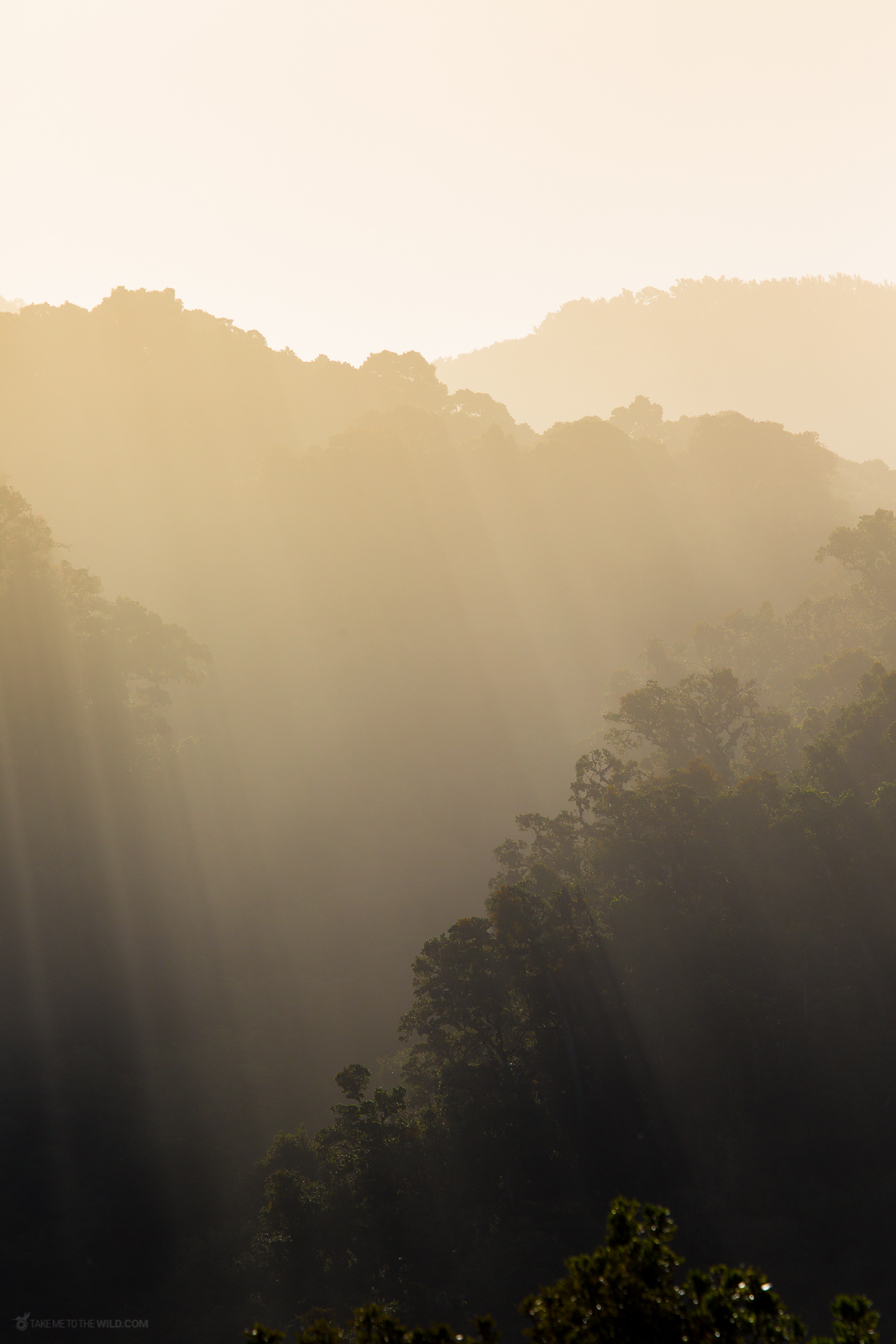
Coming down the mountain, knees aching, I stopped at the edge of the cloud forest one last time. The mist was moving across the slope below me. A quetzal called, twice, from somewhere in the oaks. I did not see it. I do not need to. I know it is there, for now, in the band of mountain where the cloud still sits.
If you ever stand inside one, you will understand. If you cannot stand inside one, you can help keep the ones that are left.
Support the Forest
Four organizations doing real work in the cloud forests of Central and South America. Each is small enough that a donation moves the needle, and each has been at this long enough to know what to do with it.
Monteverde Conservation League (Costa Rica). Owns and manages the Children’s Eternal Rainforest, fifty-six thousand acres of Costa Rican cloud forest funded originally by schoolchildren around the world. Home to quetzals, bellbirds, and Baird’s tapirs. US tax-deductible giving available through Amigos of Costa Rica.
Osa Conservation (Costa Rica). Works the Osa Peninsula, the lowland Pacific rainforest that connects to the southern Talamanca cloud forest. Runs the tapir camera-trap monitoring that tracks the corridors tapirs need to survive between protected areas.
Fundación ProAves (Colombia). Twenty-seven nature reserves across Colombian cloud forest, páramo, and Andean valleys. Pulled the Yellow-eared Parrot back from near-extinction. Also accepts donations via PayPal.
Jocotoco Conservation Foundation (Ecuador). Protects sixteen reserves in the Ecuadorian Andes and Chocó, including the cloud forests of the western slope that hold species found nowhere else. US 501(c)(3), fully tax-deductible.
Pick one. Pick all four.
Related Topics